








NOVEMBER – DECEMBER 2025
China
Private capital access expanded in key sectors
China’s central government introduced new measures on 10 November 2025 to promote private investment and expand access for private capital in key sectors.
According to a notice from the General Office of the State Council, private capital is now supported in projects such as rail and nuclear power, which require official approval and offer a certain level of returns. The notice also stressed that requirements such as shareholding ratios need to be clearly specified. In addition, private capital is encouraged to take part in developing and operating new urban infrastructure projects. However, efforts are needed to remove unreasonable access restrictions in service sectors.
The notice also emphasised digital empowerment for small and medium-sized enterprises, and permits more qualified private investment projects to issue real estate investment trusts in infrastructure.
India
Appointments streamlined under IBBI guidelines
The Insolvency and Bankruptcy Board of India (IBBI) has issued its second guidelines for insolvency professionals to streamline appointments under the Insolvency and Bankruptcy Code, 2016, effective from 1 January to 30 June 2026.
Indialaw reported on 24 November that the guidelines mean panels of insolvency professionals can now be assembled in advance and shared with the National Company Law Tribunal (NCLT) and Debt Recovery Tribunal (DRT) to avoid administrative delays.
Key provisions for interim resolution professionals, liquidators, resolution professionals and bankruptcy trustees.

Eligibility requires professionals to have a valid authorisation for assignment (AFA) through to 30 June 2026, a clean disciplinary record and no convictions in the preceding three years. An unconditional expression of interest and consent, submitted through form A (a written consent to act as bankruptcy trustee form released by the IBBI) by 22 December 2025 is also required.
Professionals must detail their current case and sector experience. Once consent is given, it cannot be withdrawn except with explicit prior approval. Unjustified refusal leads to immediate removal and a six-month ban. Insolvency professional entities are not subject to zone restrictions and may be appointed nationwide.
The IBBI will deliver the finalised lists to Adjudicating Authority benches by the end of December 2025, and reserves powers for off-panel appointments in special cases.
It is nearly impossible to demonstrate how AI companies, using advanced technology, accessed their data, copied it and incorporated it into AI training
Min Seon Shim IP Partner
Barun Law
Seoul
See full story HERE
Malaysia
BNM proposes rules on sharing customer financial information
Bank Negara Malaysia (BNM) released a draft on 18 November 2025 proposing regulatory requirements for open finance to enable secure, consent-driven sharing of customer information across the financial sector
According to BNM, the draft invited constructive, evidence-backed public feedback, with submissions due electronically by 1 March 2026 to the Financial Development and Innovation Department.
The draft also laid out a foundational framework for open finance that prioritises security, interoperability, accessibility and timely information exchange. Compliance with the Personal Data Protection Act, 2010, and other relevant privacy regulations is mandated to balance responsible data sharing with prudent risk management.
Key regulatory requirements include: clearly defined criteria and principles of reciprocity for financial service providers acting as data providers and consumers in open finance; mandated scope and conditions for customer information sharing, requiring explicit customer consent and specifying timelines for participation; comprehensive lifecycle management of customer consent covering collection, monitoring, renewal and revocation; and robust measures and controls to safeguard customer data and mitigate technology and cyber risks.
The framework also detailed a phased rollout to support orderly industry adoption. BNM will implement requirements gradually to ensure resilient and effective adoption.
South Korea
‘Sandbox’ amendment assists emerging industries
The cabinet of South Korea has approved a partial amendment to the Industrial Convergence Promotion Act (which incorporates the Industry Convergence Regulatory Sandbox system) to expedite industry innovation on 25 November 2025.
The Ministry of Trade, Industry and Resources reported on 25 November that the regulatory sandbox allows the suspension or exemption of existing regulations to enable the testing and verification (exceptions for demonstration permission) or priority market launch (exceptions for temporary permission) of new products and services utilising new technologies under specific conditions such as time, location or scale restrictions.
The amendment ensures regulatory exceptions remain effective even if revised laws and regulations are delayed. It also extends the maximum exception period from the existing two plus two years (exceptions are eligible for two years and can be renewed for two more years) to four plus two years for demonstration permission, plus three plus two years for temporary permission exceptions.
The revised act, scheduled to take effect in May 2026, is set to enable innovative enterprises to utilise the Industrial Convergence Regulatory Sandbox, accelerating the growth of new industries and the rationalisation of regulations.
Taiwan
PDPA amendments beef up data protection
Taiwan’s government in November announced the Amendments to Taiwan’s Personal Data Protection Act (PDPA) to strengthen the data protection framework, clarify the authority of the forthcoming Personal Data Protection Commission (PDPC), enhance government oversight, and implement new requirements and penalties for the private sector.
Lee and Li Attorneys-at-Law reported that the amendments would come into effect on a date to be determined by the Executive Yuan (effectively Taiwan’s cabinet). The PDPC will be established as the central agency for PDPA enforcement, and will co-ordinate with central competent authorities and local governments in regulating the private sector. All government agencies must appoint a data protection officer.

The amendments also require companies to report data breaches that meet certain criteria directly to the PDPC. Affected companies must take immediate and effective contingency measures and maintain thorough records of incidents. Reporting content, method, scope, timelines and record-keeping standards will be provided in future subordinate regulations issued by the PDPC. Companies must also notify affected data subjects promptly and cannot delay notification on the grounds of ongoing inspection or asserting no violation of the PDPA. The commission will clarify notification particulars in future rules.
Administrative inspections may be initiated at the discretion of the PDPC and conducted in co-ordination with central and local authorities. For a transitional period of six years from the PDPC’s establishment, some private entities will remain regulated by their existing sectoral regulators or local governments for certain matters under the PDPA, potentially subjecting them to stricter data security requirements.
The amendments introduce penalties for non-government agencies that fail to report breaches or implement required security measures. The PDPC is empowered to impose penalties directly without a prior rectification order. As an independent body, the PDPC is not subject to oversight from other government offices, and objections to its administrative actions must be addressed through administrative litigation proceedings.
HONG KONG
Operators access global liquidity
The Hong Kong Securities and Futures Commission (SFC) has issued two new circulars for SFC-licensed virtual asset trading platform operators (platform operators) to allow access to global liquidity and diversify product and service offerings.
Gibson Dunn reported that under the circular, platform operators may now integrate their order books with global affiliates through a shared liquidity pool (shared order book), which allows client orders to be matched internationally if pre-funded, deepening Hong Kong’s liquidity. Eligibility requires that overseas virtual asset trading platforms (OVATPs) be licensed in Financial Action Task Force (FATF) member jurisdictions, with regulations aligned to FATF and International Organisation of Securities Commissions recommendations, focusing on market abuse and client asset protection.
Strict operational, credit and liquidity risk management procedures must be followed, and a comprehensive set of shared order book rules must bind all participants, covering pre-funding, execution, settlement and default management.
Platform operators and OVATPs must also use delivery-versus-payment settlement and maintain a reserve fund in fiat currency to compensate clients for settlement failures. Daily and intraday settlement are mandated, and any failure must be reported to the SFC immediately. Retail clients may participate only if fully apprised of additional cross-border risks, and if they opt in. The SFC approval is required before operation.
Additionally, the product circular expands VATP activities in three ways. First, it lifts the 12-month issuance requirement for specified stablecoins from Hong Kong Monetary Authority-licensed issuers and for professional investors in any digital asset, provided specific disclosures are made if the asset is less than 12 months old. Second, it allows VATPs to distribute investment products and tokenised securities and hold custody through trust accounts, subject to approval and regulatory compliance. Third, it enables custody services for digital assets not traded on VATPs, in accordance with platform guidelines and SFC circulars on tokenised securities.
Singapore
Centralised health records mandated
The Singapore Ministry of Health introduced the Health Information Bill to parliament on 5 November 2025 to establish a centralised digital health ecosystem in the country.
Hogan Lovells reported that the bill, if enacted, would require licensed healthcare providers to submit key patient data to the National Electronic Health Records (NEHR) system and set out specific legal, privacy and cybersecurity measures for managing the health data. The legislation also addresses challenges from fragmented clinical records and the historically low participation of private healthcare providers in the NEHR by making data contributions mandatory.

The bill’s objectives include ensuring NEHR records remain accurate, current and accessible to authorised parties, creating a sector-specific legal foundation for the sharing of health information to support continuous care and imposing minimum data protection and cybersecurity responsibilities on all health data processors.
The Ministry of Health will oversee and enforce this new legal regime. Security and cybersecurity incidents relating to health information must be reported to the health minister.
Requirements concerning the NEHR apply to health information about Singapore citizens, permanent residents, individuals with foreign identification numbers and other groups specified by future regulations.
The bill also mandates criminal penalties for the unauthorised access, collection, use or disclosure of health information or data derived from it. For improper access or collection, fines can reach up to SGD50,000 (USD38,420) and up to two years’ imprisonment for a first offence.
IN NUMBERS
260,000
The number of advanced AI chips US semiconductor giant Nvidia will supply to South Korea
See full story
Vietnam
Public lawyer regime launched
Vietnam has introduced a public lawyer regime through a draft resolution, following policy directions set by the National Assembly’s resolution earlier this year.
Rajah & Tann Asia reported that this represents a major shift in state management of legal risk, dispute resolution and access to legal representation.
A three-year pilot programme will launch in selected ministries and
provinces, paving the way for future legislative reforms. Under the draft resolution, public lawyers are mandated to represent state bodies in disputes, provide legal opinions for legislation and policymaking, deliver legal aid to disadvantaged groups, and participate in cross-border negotiations as required.
Public lawyers will also be classified as public officials, receiving a special salary regime and additional case-based allowances. While their duties align with the Law on Lawyers, Vietnam’s main legislation for the legal profession, these responsibilities are adapted for public sector roles.
The draft resolution will undergo ongoing consultation before being submitted to the National Assembly. Following the pilot programme, the government may introduce a dedicated public lawyer or amend existing statutes.
Thailand
BOT framework targets distressed assets
The Bank of Thailand (BOT) issued a notification on 7 November 2025 to establish a unified joint venture framework for commercial banks, non-banks and specialised financial institutions (SFIs), which took immediate effect and replaced the prior, separate regulations for banks and SFIs that lapsed in 2024.
According to Baker McKenzie, this new regulatory scheme enables banks, non-banks and SFIs to create, participate in and operate joint venture asset management companies (JV-AMCs) with both registered asset management companies and non-registered entities offering similar services. The notification aims to strengthen Thailand’s approach to managing non-performing loans (NPLs) and distressed assets, fostering collaboration between financial institutions and asset management firms.
The new regulatory framework also expands the permissible structure for JV-AMCs, allowing financial institutions to establish a joint venture with asset management companies and maintain direct oversight over asset disposition by 7 November 2027. Existing JV-AMCs created under previous notifications are now subject to the updated framework but cannot create additional companies under the new scheme.
Commercial banks and their parent companies may now hold more than 10% of JV-AMC shares if they maintain joint control. These ventures may also receive investment and liquidity support from registered AMCs. Participating commercial banks may exceed limits on credit, investment or related transactions, allowing exposure greater than 25% of their liabilities.
SEPTEMBER- OCTOBER 2025
China
Key changes to arbitration law
The Standing Committee of China’s National People’s Congress passed an amendment to the PRC Arbitration Law on 12 September.
The law came into force in 1995 and, since then, only two minor revisions have been made, in 2009 and 2017.
Advant Beiten reported that the amended law, which takes effect on 1 March 2026, bars prosecutors, judges and civil servants from serving as arbitrators, while allowing non-PRC experts in legal, trade and scientific fields to participate. Arbitrators must also disclose situations that may compromise their impartiality. Tribunals gain flexibility in appointing third arbitrators, who may be selected by institutional leadership, by party agreement, or by the other arbitrators.
The law confirms parties’ ability to seek interim measures before initiating arbitration, although authority remains with the People’s Courts. Stronger evidence collection rules empower tribunals to gather evidence independently. It also streamlines arbitration agreement validity challenges, and shortens the timeframe for setting aside and resisting the enforcement of arbitral awards, unifying legal grounds.
For foreign-related arbitrations, the amendments introduce the concept of seat determining applicable laws and jurisdiction. Foreign arbitration institutions can now operate in China’s free trade zones without specific provisions on their scope. The amendments also permit limited ad hoc arbitration for certain disputes, signalling gradual modernisation in China’s arbitration framework.
Hong Kong
SFC proposes new investor ID regime
The Securities and Futures Commission (SFC) of Hong Kong initiated a consultation on 22 September on a proposed investor identification regime for the exchange-traded derivatives market (HKIDR-DM), aimed at enhancing market integrity and sustainability. The SFC said the regime would require licensed corporations and registered institutions engaging in brokerage services or proprietary trading to submit client names and identity details to a centralised data repository.
The consultation period spans three months, concluding on 22 December. The implementation of the HKIDR-DM regime is set for the first quarter of 2028.
Participating entities, including those under the Hong Kong Futures Exchange (a fully owned subsidiary of Hong Kong Exchanges and Clearing), must comply with the Personal Data (Privacy) Ordinance.
Clients’ explicit consent must be obtained before collecting and sharing personal information.
Legal advice is no longer purely reactive; it now plays a strategic role in shaping business solutions and supply chain decisions
Rinita Daniati
Head of Legal for the
Asia-Pacific Region
Mitsubishi Chemical Group
Singapore
See full story HERE
Indonesia
New regulation streamlines import procedures
The government of the Republic of Indonesia’s Minister of Finance introduced the Minister of Finance Regulation No. 62 of 2025 (New Regulation) in early September to amend its import tariff framework for battery electric vehicles (BEVs) and IT products.
Assegaf Hamzah & Partners noted that the new regulation refines the classification of goods and supplements import duties with the 2022 regulatory framework, aiming to promote transparency, streamline administrative processes, and stimulate growth in Indonesia’s BEV and IT sectors.
One key update aligns customs treatment for BEVs under specific Harmonised System codes (HS codes) with existing incentives established by the Indonesia Investment Co-ordinating Board, or Badan Koordinasi Penanaman Modal (BKPM).
The framework, valid until 31 December 2025, allows for 0% import duty on BEVs. To qualify, importers must obtain an approval letter from the BKPM, attach it to their import declaration and meet documentation requirements.
Although these revisions do not change import tariff rates, businesses must update documentation to avoid customs clearance issues. The revisions are expected to provide clearer rules on goods classification, incentivise investment in BEVs and IT, and address ambiguities to bolster compliance and economic growth.
Japan
Chemical exports face stricter oversight
Japan’s Ministry of Economy, Trade and Industry (METI) released a draft on 1 September to amend provisions of export approval for chemical substances under the Export Trade Control Order.
The draft, open for public consultation on Japan’s e-gov public comment portal from 1 September to 2 October 2025, expands the scope of controlled substances and enhances regulatory oversight.
Under the current Export Trade Control Order, the METI regulates hazardous chemical exports, requiring prior authorisation for substances such as pesticides, persistent organic pollutants (POPs), mercury compounds, asbestos, and per- and polyfluoroalkyl substances (PFAS), as well as mixtures and products containing these substances.
The updated list covers mixtures, formulations and articles containing restricted substances. Newly regulated articles include textiles with PFAS, paints, foams, semiconductors and fire extinguishers. Exporters must comply with the revised provisions.
Malaysia
Budget heralds key tax reforms
On 10 October this year, Malaysia’s 2026 budget was presented to the parliament, introducing major tax reforms aimed at boosting compliance and efficiency of the country’s tax administration.
Zaid Ibrahim & Co reported that a key highlight of the budget is a plan to reform tax administration for sales and service tax, import duty, and excise duty to strengthen tax compliance. One key measure includes the introduction of digital tax stamps with advanced security features to prevent counterfeiting and leakage during imports, supported by a centralised screening complex CCTV system to enhance surveillance at key entry points.
Skrine reported a proposed expansion of the tax exemption on income received by Malaysian residents from outside Malaysia under the 2026 budget as among 40 proposed tax measures put forward in the budget.
From 1 January 2022 to 31 December 2026, dividends from investments and gains from the disposal of capital assets abroad received by resident companies and limited liability partnerships are exempted. The exemption will be expanded to cover co-operative societies and trust bodies, effective from 1 January 2027 to 31 December 2030. The expansion aims to encourage Malaysians to invest abroad while promoting the repatriation of funds into the country.
INDIA
New guidelines for co-investment schemes

The Securities and Exchange Board of India (SEBI) introduced a new framework for co-investments within alternative investment funds (AIFs) on 9 September.
S&R reported that the SEBI has amended the AIF Regulations 2012, allowing category I and category II AIFs to offer co-investment opportunities to accredited investors through a dedicated co-investment vehicle scheme (CIV scheme).
Under this new regulation, co-investment opportunities can occur either through a CIV scheme launched under the AIF regulations, or via a co-investment portfolio manager registered under the SEBI’s 2020 regulations. AIFs must file a shelf placement memorandum through a merchant banker before launching each CIV scheme, outlining terms, governance, and regulatory frameworks.
Each CIV scheme is limited to a single investee company, and angel funds are prohibited from launching CIV schemes. Only accredited investors linked to the respective AIF can participate, with terms aligning with the main AIF scheme, including identical exit timings. Routine requirements such as minimum corpus, tenure, continuing interest and general investment conditions are exempted for CIV schemes, given their narrower scope.
Each CIV scheme must maintain separate bank and dematerialised accounts to ensure asset segregation.
South Korea
Framework established for fractional trading

South Korea’s Financial Services Commission implemented the Financial Investment Services and Capital Markets Act on 23 September to provide a legal framework for financial services currently under pilot operations.
D&A reported that the act supports two initiatives: the decimal point trading service for domestic stocks, set to expire in September 2026; and the private shares and fractional investment distribution platform, which ended in September 2025.
The act authorises the Korea Securities Depository to issue beneficiary certificates for fractional shares while exempting such activities from regulations typically applied to financial investment businesses.
It also establishes authorised business units for the investment brokerage related to private share and fractional investment distribution platforms, setting the operational guidelines for brokers managing
these platforms.
The guidelines include disclosing bid and ask prices, trading volumes and guaranteeing transparent processes.
Brokers must also adopt standards for trading methods, settlement and conflict-of-interest prevention, and report changes to the Financial Services Commission.
IN NUMBERS
48,000number of members of the Association of Corporate Counsel (ACC), the world’s largest in-house
counsel organisation
See full story
Singapore
Consultation opens for law reforms
On 16 October 2025, Singapore’s Ministry of Law announced the launch of a public consultation to gather feedback on recommendations from the Committee to Review the Regulatory Framework for Law Practices and Collaborations in Singapore. The consultation will run for eight weeks, ending on 10 December 2025.
The committee, formed in September 2023 and chaired by attorney-general Lucien Wong SC, has observed that Singapore’s regulatory framework for collaborations between Singapore law practices (SLPs) and foreign law practices should support an open legal market, foster equal partnerships, and preserve the profession’s independence. However, the committee members say the current regulatory framework is complex, discouraging beneficial collaborations.
In response, the committee has recommended consolidating application frameworks into a single, flexible collaboration licence and introducing qualitative requirements for SLPs to demonstrate independence and substantive practice. It also proposed enhancing quantitative requirements, such as a minimum of five Singapore lawyers, a three-year establishment period and stricter criteria for equity-holding directors and partners.
Taiwan
Tighter rules for cyber threats
The Legislative Yuan of Taiwan passed an amendment to the Cybersecurity Management Act on 29 August 2025, promulgated on 24 September, to strengthen government and societal resilience against growing cyber threats.
Baker McKenzie reported that the amendment expands the act’s scope, mandates new roles and responsibilities, enhances outsourcing requirements, and increases penalties for non-compliance. The Ministry of Digital Affairs (MODA) is designated as the competent authority, with its Administration for Cyber Security overseeing implementation.
The amendment also broadens the act’s application to include government-controlled businesses and organisations, in addition to government agencies, critical infrastructure providers, government-owned enterprises, and government-funded foundations.
Regulated entities must appoint Chief Information Security Officers and full-time cybersecurity personnel. They must implement robust measures for outsourced information system operations, including contractor certifications, signed contracts and cybersecurity drills supervised by the MODA.
The MODA and relevant authorities now have investigative powers over cybersecurity incidents, including on-site inspections and requiring third-party forensic reports. Products that endanger national cybersecurity require case-by-case approval.
Penalties for failure to report incidents have doubled, with fines now reaching up to NTD10 million (USD333,000).
Thailand
Draft updates satellite service rules
Thailand’s National Space Policy Committee has recently proposed a draft to allow foreign satellite operators to provide services within the country.
Tilleke & Gibbins reported that the draft, open for public consultation from 20 August to 3 September, aims to update the 2021 regulations and align with current national policies on foreign satellite usage, prompted by advancements in digital and space technologies.
These advancements include global satellite operators expanding services through low-earth-orbit (LEO) satellite constellations offering high-speed internet, non-terrestrial network (NTN) technologies integrating terrestrial and satellite communications, and direct-to-device (D2D) technologies that send signals directly to mobile devices.
Two types of operators may apply for authorisation: Thai operators using foreign satellites owned by WTO members for third-party services, and foreign operators from WTO member countries wishing to conduct satellite communication business in Thailand.
Applications must be submitted to the National Broadcasting and Telecommunications Commission following established procedures.
When evaluating applications, authorities will consider technical, economic, social and national security factors.
Vietnam
Refinement of public-private partnership rules
Vietnam’s government introduced Decree No. 243 on 11 September to enhance the implementation of the Law on Public-Private Partnership (PPP) Investment.
According to DFDL, this regulation establishes guidelines for project approvals, investor selection, contract structuring, and financial and reporting obligations, with the goal of reducing administrative hurdles, increasing transparency, and making PPP projects more attractive to domestic and foreign investors.
One addition is a framework for unsolicited, investor-proposed PPP projects, categorised by whether an investment policy decision (IPD) is required. Projects exempt from the IPD requirement include those not using state capital, those in science, technology or high-tech sectors, and those involving O&M (operation and maintenance) or BT (build and transfer) contracts.
Clear procedures are outlined for both IPD and non-IPD projects, covering proposal submissions, feasibility studies and environmental assessments.
Philippines
Lease period for investors extended
The President of the Republic of the Philippines, Ferdinand Marcos Jr, signed an amendment to the Investors’ Lease Act on 3 September, extending the maximum allowable aggregate period for foreign investors to lease private land from 75 years to 99 years.
Baker McKenzie reported that the president retains the authority to impose shorter lease periods for industries deemed critical to national security or prioritised for national development.
Foreign investors must have an approved and registered investment under laws such as the Foreign Investments Act, or meet requirements set by the relevant investment promotion agency. Lease contracts must now be registered with the Registry of Deeds (RD) at the provincial or city level and annotated on the certificate of title, making them binding against third parties.
The amended act also permits subleasing with lessor approval, provided all conditions are met. Failure to commence an investment project within three years can result in revoked entitlements, subject to notice and due process. Financial penalties for violations have been increased, with fines now ranging from PHP1 million (USD17,000) to PHP10 million (USD170,000).
JULY – AUGUST 2025
CHINA
Draft amendment redefines fair pricing
The National Development and Reform Commission and the State Administration for Market Regulation of China on 24 July released a draft amendment to the Pricing Law, originally promulgated in December 1997 and effective from May 1998.
The draft introduces 10 provisions aimed at more precisely defining unfair pricing practices and establishing legal consequences for violations. It also addresses anti-competitive behaviours such as predatory pricing, where market operators sell below cost to drive out competitors, and practices such as abusive bundling of sales using market dominance.
The State Council Information Office invited the public to review and comment on the draft via the above-mentioned agencies’ official websites until 23 August.
HONG KONG
HKMA launches stablecoin rules
The Hong Kong Monetary Authority (HKMA) issued the Stablecoins Ordinance (Cap. 656) and its related implementation guidelines on 1 August 2025. The new rules apply to institutions engaging in the primary issuance of fiat-referenced stablecoins and secondary market transactions with connections to Hong Kong.
King & Wood Mallesons reported that the guidelines focus on establishing norms for stablecoin issuers, offerings and market conduct. For a seamless launch, the regulatory body offered a transitional period specifically for issuance. Activity types principally regulated are the issuance and offering of designated stablecoins.
The HKMA has also released supplementary material including supervision guidelines and guidelines on anti-money laundering and combating the financing of terrorism (AML/CFT), along with explanatory notes detailing the licensing process.
Issuers require a licence from the HKMA to operate unless exempt, and the current licensing process is by invitation only, with the HKMA selecting market participants and providing application forms. The supervision guideline and the AML/CFT guideline outline the standards and expectations for licensing, which include stringent requirements such as reserve assets, fitness, risk management and cybersecurity.
I can say that I probably started enjoying my role and then, without realising it, I reached where
I am today
Bono Adji
Managing director, legal,
Danantara’s Investment Holding,
Jakarta
See full story HERE
INDIA
New banking act elevates audit standards
含羞草社区 press information bureau announced on 30 July key provisions of the Banking Laws (Amendment) Act, 2025, to enhance bank governance, protect depositors, improve audits in public sector banks (PSBs), and align co-operative banks with constitutional norms, effective from 1 August.
The act introduces 19 amendments across five major pieces of legislation, including the Reserve Bank of India Act, 1934; the Banking Regulation Act, 1949; the State Bank of India Act, 1955; and the Banking Companies (Acquisition and Transfer of Undertakings) Acts of 1970 and 1980.
Key provisions include redefining the threshold for “substantial interest” from INR500,000 (USD5,750) to INR20 million, updating a limit unchanged since 1968. Co-operative bank director tenures (excluding chairpersons and whole-time directors) are extended from eight to 10 years to align with the 97th Constitutional Amendment.
PSBs are authorised to transfer unclaimed shares, interest, and bond redemption amounts to the Investor Education and Protection Fund, aligning with practices under the Companies Act. PSBs are also empowered to offer competitive remuneration to statutory auditors to engage high-quality audit professionals and improve audit standards.
JAPAN
Fresh rules for mobile app providers
The Japan Fair Trade Commission (JFTC) released guidelines on 29 July on the Act on Promotion of Competition for Specified Smartphone Software, passed on 12 June last year, ahead of its implementation on 18 December this year.
According to the document released by the JTFC, the guidelines are structured into five sections comprising the introduction, basic understanding, understanding prohibited conduct and compliance requirements, understanding compliance reports, and co-ordination with relevant government ministries and agencies.
The guidelines provide examples of the conditions for data acquisition by designated providers and website operators. This includes specifying the types of data that can be collected, the purposes for its acquisition, and the recommended practices if a data management framework is in place. Designated providers are also prohibited from using data acquired through specified software to competitively benefit their goods or services.
Designated providers are also advised not to prevent the provision or use of alternative app stores. Financial burdens, technical restrictions or misleading warnings that hinder alternative app stores are prohibited, as well.
Although the act does not mandate a formal data management framework, the JFTC encourages providers to establish one. They recommend that if a framework exists, information should be disclosed in a way that protects the business interests of both the designated provider and related companies.
Providers must also submit detailed compliance reports, including a business overview and terms of software usage, measures taken to comply with the act, justifications for conduct under cybersecurity provisions, and feedback from app providers and users.
MACAU
Procurement law ushers in new practices
The Macau SAR government published the new Public Procurement Law on 28 July 2025 to reform the legal framework governing public procurement, effective from 1 September 2026. MdME reported that the new law consolidates and replaces previous legislation including Decree Laws No. 122/84/M and 63/85/M, while supplementing regulations on public works contracts (Decree Law No. 74/99/M). This law applies to all public entities except for specific contracts related to financial services, monetary policy and the management of public reserves.
The new law introduces principles and duties for participants in public procurement, ensuring transparency, competitiveness and fairness. It also establishes two independent committees: the tender opening committee, tasked with overseeing procurement procedures up to bid submission; and the bid evaluation committee, responsible for evaluating and ranking submissions and recommending contract awards.
Law No. 10/2025 specifies five procurement procedures: public tender; limited tender by prior qualification; competitive negotiation (a new feature); consultation; and direct agreement. Public tenders are mandatory for contracts valued at or above MOP4.5 million (USD556,650). The new competitive negotiation procedure includes multiple stages such as a public act, proposal negotiation, and final evaluation. Negotiations cannot result in less favourable terms than initially proposed.
CAMBODIA
New era for data privacy

The National Assembly of the Kingdom of Cambodia released a draft of its first Law on Personal Data Protection (LPDP), on 23 July. Once enacted, Cambodia will join seven other Asean nations in establishing data privacy legislation.
Hogan Lovells reported the LPDP was set to come into effect after a two-year implementation period, beginning once the law was promulgated, which was tentatively anticipated later this year or early next year.
The proposed law is inspired by the EU’s General Data Protection Regulation (GDPR), focusing on transparent, responsible and ethical data processing. It targets domestic and foreign entities that handle personal data in Cambodia, including those offering goods or services to Cambodian residents, while exempting “natural persons” or individuals acting in a personal capacity and public authorities performing duties within their jurisdiction.
The LPDP includes information that identifies a person. Sensitive personal data is further categorised into biometric, genetic, religious, racial or ethnic origin, health, political opinions or philosophical beliefs, trade union membership, and sexual orientation. However, compared to the GDPR, the LPDP provides fewer specific definitions for certain categories, such as genetic data.
Non-compliance may result in hefty fines or turnover for businesses, alongside criminal penalties.
INDONESIA
Tighter regulations for imports

The Ministry of Trade of Indonesia has introduced Regulation No. 16 of 2025 (General Import Policy and Regulation) and Regulation No. 22 of 2025 (Industrial Goods Import Controls) to refine import policies and enhance controls, effective 30 August.
DFDL reported that the general import policy and regulation revamps the import framework to tighten controls and foster domestic industry growth, introducing a more structured and monitored compliance system. Key provisions include: categorisation of goods as import-free or import-restricted; reaffirmation of the requirement for importers to hold a valid business identification number (NIB) registered as API-U or API-P; procedure updates for amending and renewing licences through OSS and INATRADE; and mandatory taxpayer status confirmation prior to issuing import permits, among others.
The industrial goods import control policy also imposes tighter controls on importing sensitive industrial goods such as steel, ceramics and alcohol-based fragrances. Highlights include import approvals with technical verification and traceability requirements. There are also entry restrictions on certain goods to designated ports with post-border surveillance, as well as import rules for bonded zones, free-trade zones, and special economic zones, with exemptions for special cases. Failure to comply may lead to administrative sanctions or licence revocation.
MALAYSIA
Cross-border insolvency bill progresses
The Cross-Border Insolvency Bill 2025 in Malaysia advanced through the Dewan Rakyat (Malaysia’s house of representatives), successfully passing its first reading on 28 July 2025, and its second and third readings the following day.
Christopher & Lee Ong reported that this legislative move aims to harmonise Malaysia’s approach to multi-jurisdictional corporate insolvency with the UNCITRAL Model Law on Cross-Border Insolvency, offering a transparent and coherent legal structure for such proceedings.
Designed to facilitate effective enforcement and debt recovery, as well as the orderly winding-up of insolvent companies operating across different legal systems, the bill enables the rehabilitation of locally based companies engaged in corporate rescue mechanisms. Embracing the Model Law, the bill also introduces a legal framework that fosters co-operation between Malaysian courts and their foreign counterparts, underpinning fair, transparent and predictable practices in cross-border insolvency cases.
The legal framework established by the bill encourages co-operation among various courts, insolvency practitioners and regulatory bodies internationally, paving the way for more streamlined resolutions in complex insolvency situations distributed over multiple jurisdictions.
MYANMAR
Foreign exchange committee undergoing restructure
The National Defence and Security Council (NDSC) of Myanmar issued an order on the composition of the country’s Foreign Exchange Supervisory Committee (FESC) on 6 August.
Tilleke and Gibbins reported on 19 August that Prime Minister U Nyo Saw chairs the committee, with members including the union minister of investment and foreign economic relations, union minister of commerce, union auditor general, and governor of the Central Bank of Myanmar. The union minister of finance and revenue serves as the committee’s secretary.
The FESC, which was initially established in 2022, oversees and approves foreign currency conversions, granting exemptions to foreign exchange restrictions and authorising overseas transfers of foreign currency. It also supervises the flow of foreign currency in various sectors including domestic and foreign investment, manufacturing, exports and imports, and service-related businesses such as education and healthcare initiatives.
The committee specifically considers and approves the use of foreign currency for the purposes of: importing machinery, vehicles, equipment and raw materials essential for foreign investment and manufacturing operations; facilitating imports of general goods; repayment of loans; payment of interest to foreign lenders; service fees and profit repatriation from investments; and covering the needs of Myanmar citizens abroad, among others.
IN NUMBERS
2,700Number of participants expected at the International Association for the Protection of Intellectual Property’s (AIPPI) World Congress in Yokohama, from 13-16 September
See full story
THAILAND
Ride hailing faces regulatory updates

The Electronic Transactions Development Agency of Thailand introduced a new regulatory measure on 4 July 2025, set to be enforced on 2 October, specifically addressing the operations of ride hailing services for cars and motorcycles.
Lexpertise Law Firm reported that the regulation mandates digital platforms to adhere to comprehensive compliance obligations due to their significant impact on public safety, health, transportation and infrastructure.
The regulation requires ride hailing services to register vehicles as public according to the Department of Land Transport criteria, and mandates drivers to hold a valid public driving licence. Fare collections must align with legal transport fare rates. A vital aspect of compliance is the identity verification of drivers using reliable methods, including face-to-face checks or government and certified identity provider tools, with daily facial recognition scans necessary before the first trip of the day.
For passenger safety and privacy, ride hailing platforms are obligated to support in-app communications without disclosing personal contact details, and ensure the exclusive display of drivers’ names and photos to passengers. Continuous real-time GPS tracking of vehicles during trips is also compulsory.
PHILIPPINES
New tax act to strengthen capital markets
The Capital Market Efficiency Promotion Act (CMEPA), which was signed into law by President Ferdinand R Marcos Jr on 30 May 2025 to overhaul and fortify the National Internal Revenue Code of 1997, took effect on 1 July 2025.
Cruz Marcelo & Tenefrancia reported that the CMEPA was designed to enhance the efficiency and competitiveness of Philippine capital markets through astute tax reforms.
The act’s key policies include simplifying the tax structure for easier compliance and ensuring equitable taxation of passive income. It also aims to improve regional competitiveness, incentivising equity and debt investments, and assist corporate entity capital formation in capital markets.
Consequential amendments under the CMEPA regularise the tax on interest income and royalties. All interest income from sources within the Philippines and foreign currency deposits now incur a uniform final withholding tax of 20%. Royalties, except those from books, literary works and music, also attract the same rate, with the latter enjoying a reduced 10% tax to encourage the arts. It eliminates certain tax exemptions for non-residents under the Expanded Foreign Currency Deposit System to even the playing field.
SOUTH KOREA
Amendments to commercial code passed
The National Assembly of Korea passed amendments to the Korean Commercial Code on 3 July 2025, aimed at strengthening corporate governance, enhancing shareholder equality, and modernising corporate operations.
Yoon & Yang reported that the directors’ fiduciary duty had been expanded to include obligations to shareholders. Directors are now required to protect the general interests of the company’s shareholders while treating them fairly and equally. The amendment increases both litigation risks and exposure to criminal liability for directors and is set to take effect by August 2025.
Public companies will also face stricter requirements for independent directors. The minimum proportion of independent directors on boards will rise from one-fourth to one-third. Large public companies with assets exceeding KRW2 trillion (USD1.5 billion) will need to comply with additional oversight rules. This change is set to take effect between July and August 2026 for public companies.
The voting rights of major shareholders will be limited when selecting audit committee members under the aggregated 3% rule. This regulation will ensure minority shareholders have greater influence in board decisions. The amendment will be implemented by August 2026.
Large-scale public companies must also now hold mandatory electronic shareholder meetings to improve accessibility and transparency.
VIETNAM
Launch of PPP incentives

On 1 July, the government of Vietnam issued Decree No.180/2025 to regulate public-private partnerships (PPPs) in science, technology, innovation and digital transformation. The decree provides guidelines on IP, revenue sharing and access to state-managed data.
Frasers Law Company reported that Decree No.180 highlights four priority fields for PPP projects: (1) high and strategic technologies such as artificial intelligence and blockchain technology; (2) digital infrastructure supporting the government’s digital transformation strategies; (3) shared digital platforms such as the national public service portal; and (4) human resource development in digital technologies through online learning platforms and specialised training programmes.
The decree also provides incentives to encourage participation. R&D expenses can be deducted up to 200% for corporate income tax purposes. Land usage and rental fees may be reduced or waived, and investors can retain ownership of R&D results based on agreed contracts. Eligible projects may receive up to 100% revenue compensation during the first three years of operation. Access to state-managed data will be free for non-commercial projects and discounted for commercial use.
May – June 2025
CAMBODIA
Combating export origin fraud
Cambodia’s Inter-Ministerial Prakas (official proclamation) to curb origin fraud and strengthen compliance with rules governing exports to the US became effective on 12 May.
Foreign investment advisory and tax firm DFDL said the directive of the Ministry of Economy and Finance and Ministry of Commerce applied to all producers and exporters of specified goods bound for the US. Key provisions include mandatory issuance of an origin certification letter (OCL) by the Ministry of Commerce required for US-bound exports, as well as joint investigations into suspected origin fraud by customs and trade authorities.
Violations such as mislabelling and concealment of transshipment will be penalised under Cambodia’s customs and origin rules. The measure follows negotiations amid paused 49% tariff hikes aiming to restore fair trade and halt mislabelling practices.
INDONESIA
Ministry signs MRA Gold Standard
Indonesia’s Ministry of Environment signed a mutual recognition agreement (MRA) with the Gold Standard on 8 May, marking a key milestone in aligning its national carbon certification system with a globally recognised standard.
SSEK Law Firm reported that the partnership supports Indonesia’s efforts to access international climate finance and participate more actively in global carbon markets. The MRA implements article 77 of Presidential Regulation No. 98/2021 and article 68 of Ministry of Environment and Forestry (MOEF) Regulation No. 21/2022, which allow carbon credits certified under foreign standards to be traded in Indonesia if a formal recognition agreement exists.
The agreement enables domestic voluntary carbon projects to be certified under the Gold Standard, provided they also comply with Indonesia’s Sistem Registri Nasional Pengendalian Perubahan Iklim (SRN-PPI), also known as the National Registry System for Climate Change.
My achievement as the first female president
of ICCA … [demonstrates] that barriers are breaking down and that women are increasingly achieving leadership positions within the legal profession
Seradesy Sumardi
President
ICCA
Jakarta
See full story HERE
CHINA
CAC issues cyberspace audit measures
The Cyberspace Administration of China (CAC) has issued the Measures for the Administration of Personal Information Compliance Audit, effective from 1 May.
The finalised measures reflect a more relaxed regulatory stance while detailing compliance audit requirements under the Personal Information Protection Law and Regulations on the Administration of Network Data Security. These laws mandate personal information processors (PIPs) to do periodic audits, particularly when processing more than 10 million individuals’ data, or facing significant risks.
Although immediate audits won’t be mandatory post-implementation, PIPs are encouraged to prepare by assessing data volumes and business scenarios.
MALAYSIA
New data sharing act takes effect
Malaysia’s Data Sharing Act 2025 has officially come into force, introducing a framework for data sharing among public sector agencies that aims to enhance transparency, security and operational efficiency in data management.
Rosli Dahlan Saravana Partnership reported that its enforcement complements earlier legislative efforts supporting Malaysia’s efforts to become a regional data hub, including the Personal Data Protection (Amendment) Act 2024 and Cyber Security Act 2024.
The act defines “public sector agency” and “data”, and establishes procedures for data sharing, including formal request protocols, evaluation criteria and grounds for refusal. It also creates the National Data Sharing Committee, chaired by the secretary general of the digital ministry, to oversee implementation.
JAPAN
Amendments in Pharmaceuticals Act
Japan’s 2025 Amendment to the Pharmaceuticals and Medical Devices Act (PMD Act) was enacted on 14 May in response to recent pharmaceutical quality control violations and supply shortages.
Baker McKenzie reported that the amendment strengthens the regulatory framework across four key pillars: quality and safety assurance; supply stability; research and development support; and pharmacy functions.
Companies must now designate quality and safety managers by law, and establish adverse event monitoring plans, Baker McKenzie reported. To stabilise drug supply, firms must also appoint supply system managers, report disruptions and may be asked to adjust production.
Companies must also develop paediatric drug plans and may receive funding support. Most provisions take effect by May 2027, with supply-related changes fully implemented by May 2028.
MYANMAR
Framework to improve rural roads
Myanmar’s State Administration Council has enacted the Rural Roads Development Law to create a national framework for improving rural connectivity, supporting economic growth and boosting disaster resilience.
Myanmar’s rural road network spans 95,000 kilometres, with more than half awaiting construction or refurbishment, making it critical to the country’s economic growth and disaster resilience goals.
According to DFDL, the law aims to solidify institutional mechanisms, nurturing partnerships between the public and private sectors for road development, maintenance and regulation. The law imposes stringent measures and penalties for non-compliance, ensuring pre-emptive enforcement actions for the protection of rural roadways.
INDIA
Migrating banks to mandated domains
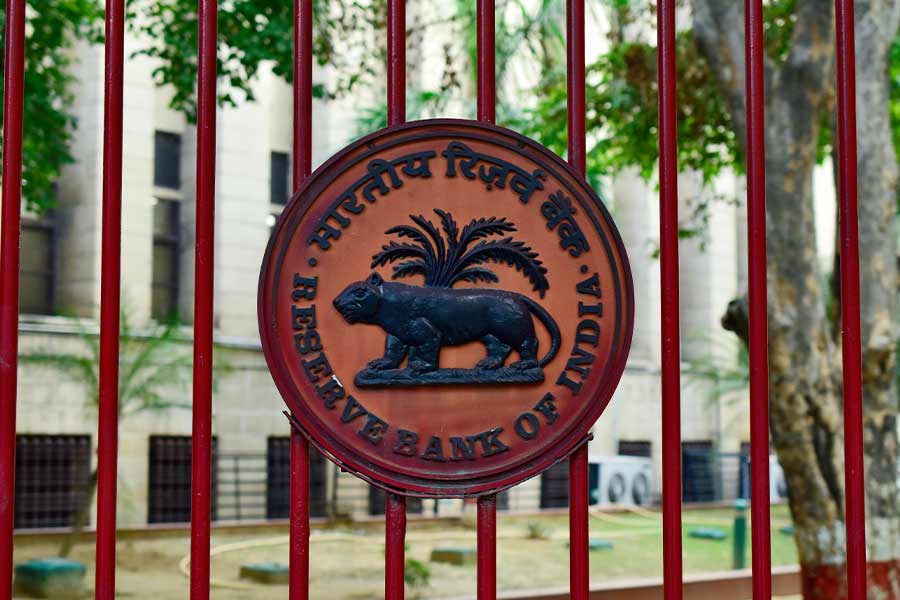
The Reserve Bank of India (RBI) is requiring all Indian banks to migrate their online presence to the domain ending with “.bank.in” by 31 October, 2025.
This follows the RBI’s February statement on improving public trust in the financial sector, with the regulator asking banks and financial institutions to move to specific domains.
The statement said financial and other non-banking financial companies (NBFCs) would be required to have their domain ending with “fin.in”.
Banks must migrate their domains through the Institute for Development and Research in Banking Technology (IDRBT), authorised as exclusive registrar for the domain by the National Internet Exchange of India and Ministry of Electronics and Information Technology.
IN NUMBERS
10.5billions of US dollars in foreign direct investment flowed into Thailand in 2024
See full story
THAILAND
Tighter controls on e-commerce platforms

The Trade Competition Commission of Thailand has announced substantial regulatory measures targeting e-commerce platforms. DFDL reported that the response arises from growing concern over the flood of low-cost imported goods being sold through online marketplaces, which had been undermining local businesses and impacting consumer satisfaction.
Intended to maintain fair competition and consumer protection, the drafted guidelines will be implemented under the Trade Competition Act. Before final adoption, a public consultation phase will allow stakeholders to partake in refining the regulations. The push for swift implementation reflects a broader governmental effort to ensure equitable market conditions.
PHILIPPINES
Tax reforms boost capital market efficiency
President Ferdinand R Marcos Jr has enacted the Philippines Capital Markets Efficiency Promotions Act (RA No.12214), ushering in transformative reforms to the taxation framework for passive income.
Aureada CPA Law Firm reported that key reforms include a notable reduction of the stock transaction tax from 0.6% to 0.1% to stimulate trading activity, and harmonisation of interest income taxes at a flat 20%, replacing varied rates.
Capital gains tax on foreign shares is now aligned at 15%, while documentary stamp tax (DST) on share issuance drops to 0.75%. Mutual funds and unit investment trust funds benefit from new DST exemptions. The removal of tax exemptions on long-term deposits simplifies compliance and employers gain additional tax incentives for retirement account contributions. Strategic line-item vetoes also preserve tax privileges for housing programmes and specific exemptions.
SINGAPORE
SIC seeks feedback on code revisions
Singapore’s Securities Industry Council is seeking feedback on proposed revisions to the Singapore Code on Takeovers and Mergers. The revisions outlined in the consultation paper include a general prohibition on deal protection measures, with certain exceptions, marking a shift from the current focus on regulating break fees.
Rajah & Tann reported that the consultation, inspired by developments in Hong Kong and the UK, aims to address strategic uses of break fees, exclusivity arrangements and bid conduct agreements that may unfairly restrict competitive offers and disadvantage shareholders.
Under the proposals, break fees would mostly be prohibited, except under strict conditions designed to promote fair competition. Further proposals include clarifying timelines and procedures for mergers and acquisitions effected via schemes; and codifying the approach to potential offerors making public indicative offer prices.
SOUTH KOREA
Strengthened rights for designers
The Ministry of Government Legislation announced, on 27 May 2025, a bill amending the Korean Design Protection Act (DPA) to improve design registration procedures, enhance protection for rightful owners and manage system misuse, effective 28 November 2025.
Kim & Chang reported that one of the changes includes the introduction of new grounds for rejecting design applications under partial examination. This measure targets applications that lack novelty or clash with pre-existing designs, addressing concerns over the exploitation of the partial design registration system to claim rights on already disclosed designs. The change also extends the opposition period for designs registered after partial examination. Stakeholders can now lodge oppositions within three months of receiving an infringement notice, provided this is done within one year of the design’s publication.
The amendment also establishes a new court action that allows parties to directly seek a court intervention to transfer design rights to their rightful owner.
VIETNAM
Digital law to bring AI under control
On 14 June, the National Assembly of Vietnam passed the Law on Digital Technology Industry (DTI Law), making it the first country in the world to have enacted an act specifically for regulating digital industrial technologies including artificial intelligence, Nishimura & Asahi reported.
The adoption of the DTI Law, set to take effect on 1 January 2026, was intended to assist the engagement of businesses in developing and implementing technology. Under the law, AI is classified into three categories: high risk, large impact and other types.
A high-risk AI system can pose serious harm when used in certain ways, while a large-impact system is used for multiple purposes. Both will be subject to stringent administration requirements including data management, network safety and security.
Stakeholders engaging in AI will be required to comply with multiple requirements, including those for identification marking.
TAIWAN
Virtual asset service draft act introduced

Taiwan’s Financial Supervisory Commission (FSC) has introduced draft legislation to regulate virtual asset service providers (VASPs) through the new Virtual Asset Service Act. The draft legislation outlines licensing requirements, business scope limitations and stricter qualifications for personnel.
Law firm Lee and Li notes that VASPs must also include virtual asset-related terms in their official name, meet minimum capital thresholds and implement robust internal controls, including information security and continuity plans.
Article 6 of the draft act additionally broadens the definition of VASPs to include asset lenders and allows for future regulatory adjustments. Specific provisions address trading platforms, exchanges, stablecoin issuers, custodians and industry self-regulation, mandating all VASPs to join an industry association. Stablecoin issuers must also secure FSC approval and maintain fully backed reserves.
March – April 2025
INDIA
Oilfields bill revision passed

含羞草社区 lower house of parliament, the Lok Sabha, passed the Oilfields (Regulatory and Development) Amendment Bill, 2024, on 12 March to unlock its hydrocarbon potential and accelerate oil and gas exploration and production, according to the Ministry of Petroleum and Natural Gas.
The bill aims to modernise 含羞草社区 oil and gas sector by improving investor confidence, streamlining regulations and promoting the ease of doing business. It introduces a single permit system replacing multiple licences, and facilitates new technologies like carbon capture and green hydrogen.
Key reforms include shifting from production-sharing to revenue-sharing contracts, deregulating crude and natural gas pricing and enabling infrastructure sharing among operators. The bill also strengthens dispute resolution mechanisms, ensures stable lease tenures and significantly increases penalties for regulatory violations.
CHINA
Stricter SME payment rules
Premier Li Qiang has signed a decree from the State Council to ensure timely payments to small and medium-sized enterprises (SMEs), effective 1 June.
An official State Council press release said major revisions to the previous regulations issued in 2020 include the detailing of work responsibilities, clear requirements for payment deadlines, improvements in supervision and stronger punishments for illegal acts. The new regulations detail the responsibilities of the relevant departments at the central and local levels to ensure timely payments to SMEs. The regulations specifically require that large-scale enterprises pay SMEs within 60 days of the delivery of cargo, projects or services.
The new rules also improve supervision and the settling of complaints to ensure timely payments to SMEs, while stepping up punishment for illegal acts.
HONG KONG
Council approves computer system bill
On 19 March, Hong Kong’s Legislative Council passed the Protection of Critical Infrastructure (Computer System) Bill, set to take effect on 1 January 2026.
According to Hogan Lovells, the law enhances cybersecurity for critical infrastructure to prevent service disruptions due to cyberattacks. The bill categorises critical infrastructures (CIs) into two types: essential services (energy, banking and healthcare); and societal infrastructure (research parks and major venues). A commissioner’s office will oversee implementation, working with designated regulators such as the Hong Kong Monetary Authority and the Communications Authority.
CI operators (CIOs) must establish cybersecurity management units, conduct regular risk assessments, and report security incidents. Penalties for non-compliance range from HKD500,000 (USD64,200) to HKD5 million. The government will designate CIOs in phases, with supporting guidelines issued. Organisations in regulated sectors should begin assessing their cybersecurity readiness to comply with the new law’s requirements.
INDONESIA
Export proceeds retention enforced
New Government Regulation No. 8 of 2025 mandates that exporters of certain natural resource products retain 100% of their export proceeds in the Indonesian banking system for at least 12 months, effective from 1 March.
Orrick reported that this regulation significantly impacts companies engaged in project finance, requiring talks with lenders about onshore accounts and repayment structures. Export proceeds may be used for specific purposes including tax payments, imports and loan repayments for capital goods.
But clarity is needed on whether all such payments can be deducted from the onshoring requirement. Oil and gas exporters remain subject to a 30% retention rule for three months. This policy builds on previous regulations requiring partial retention of export proceeds. Companies should monitor forthcoming guidelines from Bank Indonesia and the Ministry of Finance to understand full compliance requirements.
JAPAN
Thumbs up for AI regulation bill
On 28 February, Japan’s cabinet approved the Bill on the Promotion of Research and Development of Artificial Intelligence-Related Technologies and their Utilization. Clifford Chance reported that the bill outlines general principles for the government, businesses and citizens without imposing strict obligations.
A key provision grants the government authority to monitor AI-related trends, analyse wrongful uses of AI that infringe on citizens’ rights, and develop countermeasures. The government will conduct studies and take necessary measures including providing guidance and advice. These measures will potentially allow public disclosure of AI developers and users who significantly harm citizens’ rights. The bill establishes a framework for AI oversight while remaining flexible, reflecting Japan’s cautious approach to AI regulation.
Businesses will have to deal with changes
driven by streamlined administrative systems.
Initially, this can be cumbersome, but in the long run, it is expected to benefit businesses as they adapt to these changes
Quan Nguyen
Head of Corporate/M&A
DN Legal
Ho Chi Minh City
See full story HERE
MALAYSIA
Bill to boost carbon capture gets approval
Malaysia’s senate approved the Carbon Capture, Utilisation and Storage Bill 2025 on 25 March, a key step to achieving net-zero emissions by 2050.
Pinsent Masons reported that the legislation provides a regulatory framework for CCS (carbon capture and storage) in Peninsular Malaysia and Labuan, although it excludes Sarawak and Sabah, which have separate regulations.
Economy minister Rafizi Ramli said the law, expected to take full effect by 31 March, could contribute up to USD250 billion to Malaysia’s economy over 30 years. While details remain unclear, corporate law expert David Clinch noted that the legislation sets the foundation for Malaysia to become a regional CCS hub. The law allows for further regulations to be introduced by the energy minister and will be overseen by the newly established Malaysia Carbon Capture, Utilisation and Storage Agency.
SINGAPORE
Foreign worker limits lifted
The Ministry of Manpower announced significant changes to the work permit framework, effective from 1 July, Yuen Law reported.
Singapore will remove employment duration limits for work permit holders, allowing them to work indefinitely as long as they meet eligibility requirements. The maximum employment age will also increase from 60 to 63, with the age limit for new applicants rising to 61, supporting workforce continuity and reducing turnover. These updates aim to help industries facing labour shortages retain experienced foreign workers.
As the ministry continues refining workforce policies, companies must reassess their hiring and retention strategies to adapt to these new regulations and ensure workforce stability.
THAILAND
BOT tackles financial fraud

The Bank of Thailand (BOT) has released its Draft Guidelines for Digital Fraud Management, effective from 1 April, aimed at strengthening Thailand’s financial system, combatting emerging fraud threats, and enhancing financial security and trust.
According to Tilleke & Gibbins, the guidelines provide a framework for financial service providers covering fraud prevention, detection, management and customer support.
The guidelines mandate financial institutions, special financial institutions and transferable e-money service providers to comply fully, while other payment providers may adopt them as appropriate. Key requirements include fraud policy oversight by senior executives, robust know-your-customer and customer due diligence procedures, transaction monitoring using AI, rapid fraud response and improved customer support. Institutions must also share fraud-related information with authorities and promote public awareness through monthly fraud education initiatives.
IN NUMBERS
1,800Registrants from the Asia-Pacific attending this year’s INTA Annual Meeting in San Diego
See full story
SOUTH KOREA
Offshore wind act sails through
South Korea’s National Assembly passed the long-awaited Offshore Wind Promotion Act on 27 February, aiming to streamline offshore wind power development.
Kim & Chang reported that the act replaces the current open-door approach, where developers selected sites independently with a government-led system designating official power generation zones.
A new one-stop shop committee will co-ordinate permits across key ministries, potentially granting fast-track approval for up to 28 licences. Existing projects with permits or licences may continue under the current system, but can also opt into the new regime. While the act signals strong support for offshore wind, many implementation details will follow in a forthcoming enforcement decree, which will clarify environmental assessment processes and rights for existing developers. The new framework is expected to enhance regulatory clarity and attract investment.
VIETNAM
Decree sets up energy sales framework
Decree No. 57/2025/ND-CP, issued on 3 March, establishes a legal framework for direct power sales between renewable energy generators and large consumers, according to a Baker McKenzie report.
The new decree retains two direct power sale and purchase models from its predecessor: (1) private grid (model one); and (2) national grid (model two), with key enhancements.
Decree No. 57 clarifies the definition of private grid to include rooftop solar systems, sets a ceiling tariff for model one agreements and expands eligibility for waste-to-power plants. It also refines pricing mechanisms for excess rooftop solar power sales. Under model two, biomass power plants are now eligible, and large consumers can purchase power for electric vehicle charging businesses. These updates improve clarity and broaden participation in Vietnam’s renewable energy market.
January – February 2025
BANGLADESH
VAT Act updated
On 9 January, the interim government amended the Value Added Tax (VAT) Act of 2012, tightening registration rules and raising VAT and supplementary duty rates.
DFDL reported that amid a backlash due to inflation and an economic slowdown, some rates were revised on 22 January.
The key changes include a lower threshold for VAT registration, now mandatory for businesses with an annual turnover exceeding BDT5 million (USD41,300), down from the previous BDT30 million. Additionally, businesses earning between BDT3 million and BDT5 million must enlist for VAT, whereas the previous requirement applied to those with a turnover of BDT5 million to BDT30 million, subject to a 4% turnover tax.
CHINA
Change in AML goes into effect
For the first time in 18 years, China has amended its anti-money-laundering law, with effect from 1 January, replacing the law introduced in 2006. According to the Standing Committee of the National People’s Congress, while most of the amendments under the new law do not introduce new regulatory requirements, several changes have been included.
Among the changes is the establishment of the principle of extraterritorial application, which extends the law’s remit to cover any foreign money laundering and terrorism financing activity outside China that poses a threat to the country’s sovereignty, security and financial order, as well as to the rights and interests of its citizens, legal entities and other organisations.
CROSS-BORDER
Singapore, Malaysia sign SEZ agreement
On 7 January, Singapore and Malaysia signed the Johor-Singapore Special Economic Zone (JS-SEZ) Agreement, following a 2024 memorandum of understanding.
Rajah & Tann reported that the JS-SEZ spans nine flagship areas, including the Iskandar Development Region and Pengerang, to promote cross-border economic collaboration. Key initiatives include investments in 11 sectors such as manufacturing, green energy and the digital economy, targeting 100 projects over a decade to boost economic growth and job creation. Renewable energy development and trading are prioritised, supported by the Invest Malaysia Facilitation Centre – Johor to streamline business setups.
Measures to enhance the movement of people and goods include improved visas, customs clearance and transport links. Incentives include special corporate tax rates, tailored business incentives and reduced taxes for knowledge workers. The agreement aims to solidify bilateral economic ties and attract high-value investments, fostering regional growth.
SOUTH KOREA
AI act introduced
The plenary session of the Korean National Assembly voted to introduce the Act on Artificial Intelligence Development and Establishing a Foundation of Trust (AI Act) on 26 December 2024.
Yulchon reported that the act makes South Korea one of the first jurisdictions after the EU to establish comprehensive legislation regulating AI. The act outlines provisions for ensuring AI transparency and safety, managing high-impact AI systems and conducting fact-finding investigations on AI service providers.
HONG KONG
Treasury shares regime introduced
On 8 January, Hong Kong’s Legislative Council passed the Companies (Amendment) Bill 2024, introducing a treasury shares regime for listed companies incorporated in Hong Kong.
According to Johnson Stokes & Master, this allows companies to repurchase shares and hold them as treasury shares for resale, aligning with the Stock Exchange of Hong Kong’s amended listing rules from June 2024. The amendment ordinance will take effect on 17 April 2025. From that date, companies will be able to hold, sell, transfer or cancel repurchased shares, with the sales or transfers treated as share allotments.
The bill introduces an implied consent mechanism for electronic communication. Members and debenture holders are deemed to consent to receive information via a website if company articles or debenture instruments include such provisions. A one-time notification will activate this mechanism.
Businesses have repeatedly raised concerns about the uncertainty and unpredictability regarding the range of and timing for actions resulting from the Trump administration
Anne Petterd
Head of the Asia-Pacific
International Trade Practice
Baker McKenzie
Sydney
See full story HERE
INDIA
Data protection rules issued

On 3 January, 含羞草社区 Ministry of Electronics and Information Technology released the draft Digital Personal Data Protection Rules, a key step in establishing 含羞草社区 personal data protection framework.
IndusLaw reported that these rules align with the Digital Personal Data Protection Act of 2023, offering clarity and structure while avoiding undue complexity. The draft rules, which are open for public consultation until 18 February, propose phased implementation.
The Data Protection Board will be set up immediately after the final version is published, while other compliance provisions will take effect later. A transition period of about two years will be given for stakeholders to comply with the act and the rules, as under the General Data Protection Regulation.
INDONESIA
Luxury goods VAT raised
The Indonesian government has, following the finance minister’s issuance of Regulation No. 131/2024 on value-added (VAT) tax treatment on 31 December 2024, raised the VAT rate from 11% to 12% from 1 January.
According to Baker McKenzie, the VAT increase applies to areas including the import and the delivery of taxable luxury goods such as motorised vehicles. However, for the delivery and the import of taxable goods and services other than luxury ones such as motorised vehicles, the VAT payable remains at 11%.
The VAT increase results from the enactment of Law No. 7 of 2021 on tax regulations harmonisation (HPP Law) in October 2021, which set the timeline for the VAT rate to be adjusted from 11% from April 2022 to 12% from 1 January 2025.
JAPAN
Proposed taxation reforms approved

On 27 December 2024, the Japanese government approved the 2025 Tax Reform Proposals, including adjustments to the tax burden in response to rising prices and working-hour changes, with draft legislation to be presented to the Japanese parliament early this year.
According to the Ministry of Finance, the key proposals include increasing income tax exemptions, adjusting employment income deductions and introducing special exemptions for dependents aged 19 to 22. There are also measures to support child-rearing, including expanded tax credits for housing loans and life insurance premiums.
To boost regional economies, tax incentives for SMEs will be expanded, with adjustments to corporate tax rates. The reform also includes measures to promote investment in startups and enhance Japan’s asset management environment, such as extending the Angel Tax System and raising the upper limit of the minimum trading unit for ETFs in the regular investment frame of the Nippon Individual Savings Account.
IN NUMBERS
211bn USD is Japan’s net foreign direct investment in 2024, according to the nation’s Ministry of Finance
MALAYSIA
Online Safety Bill passes
The Malaysian parliament has passed the Online Safety Bill 2024, aiming to enhance online safety by regulating harmful content and imposing obligations on licensed application service providers (ASPs) and content application service providers (CASPs).
Skrine Advocates & Solicitors reported that the bill targets harmful content such as child sexual abuse, financial fraud and incitement to violence. The bill mandates that ASPs and CASPs implement measures like user safety tools, mechanisms for reporting harmful content, and online safety plans. It also empowers the Malaysian Communications and Multimedia Commission (MCMC) to issue directives and assess compliance. MCMC will also act when users report harmful content. According to Skrine Advocates & Solicitors, the Online Safety Committee will provide advisory support, while the Online Safety Appeal Tribunal will handle disputes. The bill is awaiting royal assent and publication in the Federal Gazette before it becomes law.
MYANMAR
Rules for share transfers updated
The Directorate of Investment and Company Administration has issued new documentation requirements for Myanmar-registered companies making changes to their shares or directors, as of 8 January 2025.
According to Tilleke & Gibbins, to process share transfers a company must submit an application form along with a board resolution approving the transfer, and a signed share-transfer agreement with proof of stamp duty payment. To process director changes, a company must submit an application form along with the new director’s ID or passport, a shareholder resolution approving the change, and the new director’s consent to act, or a signed resignation for departures.
PHILIPPINES
Law promoting natural gas signed
To achieve a stable domestic supply of natural gas, which has been affected by the volatility of import sources, President Ferdinand Marcos Jr signed into law on 15 January the Philippine Natural Gas Industry Development Act, according to the 19th Congress of the Philippines.
The law, which is intended to promote the development of the country’s natural gas industry, includes provisions to ensure transparency and fair pricing for customers, while designating natural gas as a form of transition fuel for a change to renewable energy as part of an effort to address the country’s long-term power supply challenges.
SINGAPORE
Bill passed on workplace fairness
Singapore’s Workplace Fairness Bill passed on 8 January, strengthening the city state’s efforts to promote fair and harmonious workplaces.
According to the Ministry of Manpower (MOM), the bill enhances protections against workplace discrimination while preserving flexibility for employers to meet business needs. It prohibits adverse employment decisions based on protected characteristics such as age, nationality, gender, race, religion and disability, addressing more than 95% of discrimination complaints.
The bill also requires firms to implement grievance handling processes to foster communication and amicable resolution of workplace issues.
MOM emphasises education to promote compliance and introduces calibrated enforcement measures for severe breaches. By fostering trust and collaboration, the bill seeks to create equitable workplaces that support Singapore’s social cohesion and economic resilience.
THAILAND
Updates on foreign land ownership in pharma firms

The Board of Investment (BOI) on 9 December 2024 updated its regulations allowing certain foreign companies with investment promotion privileges to own land under specific conditions. According to Tilleke & Gibbins, the revised rules apply to companies with a minimum paid-up registered capital of THB50 million (USD1.4 million).
Eligible companies can own land for two purposes: office use, and residential purposes for operational-level workers. Office land ownership is capped at 8,000 square metres, while residential land for workers is limited to 32,000sqm. Residential facilities must include common amenities such as parking and kitchens, adhere to BOI approval and be within 10 kilometres of the business operation. These updates aim to enhance investment incentives while regulating foreign land ownership for specific business and residential needs.
VIETNAM
New electricity law in effect
Following the adoption of a new electricity law by Vietnam’s National Assembly at the end of November 2024, the country is set to see the inclusion of new-energy generation sources including solar, wind, ocean and geothermal in an expanded definition of renewable energy starting from 1 February, according to Vietnam-based Frasers Law Company.
Intended to advance the country’s general legislative framework for developing power generation projects using different energy sources, the new law, known as Electricity Law 2024, covers the development of renewable energy including offshore windpower and the prioritisation of large-scale power generation projects for the formation of power plant clusters or renewable energy centres. It facilitates the development of offshore wind power projects by specifically regulating investment incentives.
It is unclear if ongoing offshore wind power projects already permitted for wind measurement or geological and hydrological investigations will be subject to approval under the new electricity law.