








As Taiwan’s family-owned businesses face ageing leadership and growing cross-border complexity, succession planning has become a pressing priority
In Taiwan’s shifting socio-economic landscape, private wealth management and family office structures are vital for legacy sustainability and smooth succession. Without proper planning, families risk disputes and asset erosion. High-net-worth individuals and businesses must adopt legal tools for asset preservation and intergenerational transfer to safeguard wealth and ensure long-term stability.
Global wealth and cross-border businesses present both opportunities and challenges for Taiwanese families. Many now benchmark against global models to preserve assets, nurture family harmony, cultivate next-gen leadership, and advance philanthropy. Success demands a holistic, customised approach – balancing legal, financial and governance strategies to fit each family’s unique needs.
Despite improvements, Taiwan continues to lag behind East Asia in family office adoption. According to a recent Preqin report from 2019 to 2025, the Asia-Pacific region saw a sixfold increase in family offices, with a projected USD5.8 trillion set to transfer by 2030.
A 2019 Foresight Magazine survey of 170 Taiwanese corporate leaders revealed that 95% of companies were family-controlled – the highest rate in East Asia. More than half of respondents were aged 60 or older, and 78% regarded succession planning as a critical challenge.
Yet, according to a recent EY Taiwan report cited by the Commercial Times, Taiwanese family office usage grew only from 12% to 15% between 2022 and 2024, far below regional averages.
Taiwanese high-net-worth families must shift from awareness to action in succession planning. A comprehensive, expert-led approach combining local insight with global best practices is essential.
Families should assess current structures, engage qualified advisers, and explore proven tools such as family offices, trusts and governance frameworks, ensuring compliance with Taiwan’s evolving legal landscape. This article shares the firm’s experience guiding clients through this critical phase of entrepreneurship.
Legal methods
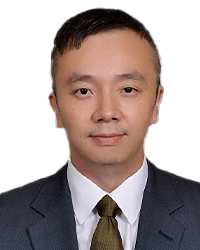
Partner at LCS & Partners
in Taipei
Tel: +886 2 2729 8000 (ext. 7722)
Email: victorchang@lcs.com.tw
In Taiwan, wealth succession tools include annual gifts, insurance, wills, trusts, foundations, holding companies and closely held firms – ensuring effective asset transfer. Succession planning requires analysing asset types – real estate, shares, financial products, IP and art – each with distinct legal, tax and operational considerations. Listed shares may trigger disclosure and compliance issues, while overseas properties and offshore investments involve complex cross-border procedures. Tailored strategies are essential to address the challenges of each asset class.
Annual gifts utilise tax exemptions for a gradual wealth transfer. Quotas constrain their impact and can encourage heirs to overspend.
Insurance policies enable direct cash payouts to beneficiaries but cannot transfer non-cash or business assets and lack structures for the governance of sustained family wealth.
Wills allow asset distributions but are subject to statutory “reserved portions” guaranteeing heirs a minimum share, a requirement that sparks disputes without meticulous planning.
Foundations or charitable trusts enable tax optimisation and independent asset management. However, recent regulatory tightening, particularly around public interest oversight, has increased compliance requirements.
Holding or investment companies centralise wealth management and support sustainable succession.
However, concentrated ownership can spark family disputes.
Closely held companies permit share-transfer restrictions and tailored voting-rights structures to preserve control. However, statutory shareholder limits and structural complexity demand meticulous design.
Family trusts

Partner at LCS & Partners
in Taipei
Tel: +886 2 2729 8000 (ext. 7720)
Email: annieliao@lcs.com.tw
Family trusts are increasingly popular in Taiwan for asset protection, risk isolation, and customised succession. A trustee manages assets per the settlor’s instructions, ensuring long-term benefits for designated family members across generations.
In Taiwan, family trusts serve goals such as aged care, education funding, special needs support and philanthropy. When paired with governance tools – family constitutions, advisory boards and family offices – they align legal structures with family values, ensuring strategic continuity across generations.
Key advantages
(1) Immediate effectiveness. Trusts become operative during the settlor’s lifetime, ensuring smooth asset management.
(2) Asset isolation. Trust assets are separated from personal wealth, offering protection and reducing risks.
(3) Avoiding forced heirship. Properly structured trusts may mitigate the impact of Taiwan’s reserved portion requirements, allowing more flexibility.
Common challenges
(1) Gift taxation. Transfers into trust are subject to gift tax, requiring careful planning.
(2) Role of trust supervisors. Choosing a reliable supervisor is crucial for safeguarding interests.
(3) Sustainability of structure. The perpetual operation of trusts in Taiwan faces practical and legal limitations.
Prevailing strategy and structure. A frequent strategy combines a closed company with a family trust to hold core assets and ensure control over share transfers and decisions. Governed by strong articles and trust deeds, this setup supports asset protection and long-term planning.
Offshore trusts
Globalisation prompts Taiwanese families to use offshore trusts for overseas assets and succession planning.
Popular offshore trust jurisdictions for Taiwanese families include the British Virgin Islands (BVI), Cayman Islands, Jersey and Singapore, each with distinct legal standards. With rising global tax transparency, families must address reporting obligations, anti-avoidance rules, and Taiwan’s controlled foreign company (CFC) regulations, which may tax offshore income controlled by Taiwanese residents. Proper disclosure and compliance are essential for effective cross-border planning.
Key features and advantages
(1) Sustainable control. Offshore trusts holding family companies separate ownership from management, aiding long-term succession planning.
(2) Asset protection. Offshore trusts offer added protection, making foreign legal actions against assets more complex and costly.
(3) Privacy and flexibility. Offshore jurisdictions such as the BVI offer greater confidentiality by not requiring public trust deed disclosure.
(4) Anti-forced heirship. Offshore trusts bypass heirship rules, enabling customised succession plans for family members.
Typical applications. Establishing a private trust company as trustee, with family members serving as directors or protectors, enables substantial family influence over trust administration without direct asset ownership. This structure balances control and protection, making it especially effective for assets held offshore or for families with cross-border heirs and global business interests.
Tax considerations. Taiwan levies a gift tax on specified trust arrangements. Offshore trusts may benefit from zero capital gains, gift or estate taxes in select jurisdictions, but compliance with Taiwan’s anti-avoidance rules and CFC regulations demands expert tax planning.
Practical planning steps
Effective wealth and family office planning in Taiwan should be customised to each family’s circumstances and life stages.
A successful plan requires open communication, next-gen involvement, clear decision making and expert guidance. Avoid pitfalls like poor documentation, vague beneficiary terms and overlooked family dynamics through proactive, inclusive succession planning. The recommended steps include:
(1) Inventory of assets. Evaluate all domestic and international holdings and their ownership structures.
(2) Clear objectives. Define the goals of succession planning, such as providing for retirement, children’s education, asset preservation or philanthropy.
(3) Cross-border considerations. Consider members’ nationalities, residencies and multi-jurisdictional assets for compliant, effective succession planning.
(4) Tax strategy. Plan for potential gifts, inheritance and income tax implications, considering evolving regulations such as CFC rules.
(5) Professional guidance. Given the complexity, it is crucial to consult legal and tax advisers early in the process.
Case studies
International and Taiwanese families use diverse wealth management tools to navigate complex structures and succession. The Gucci family’s lack of governance led to public disputes and decline, while the Buffett family used trusts and foundations to foster harmony, philanthropy and asset control. Clear planning and communication are key to sustaining family legacy and business success.
Many Taiwanese family businesses now use closed companies, layered trusts and strong governance to ensure smooth succession. One tech founder created a closed company for core assets, transferred equity into a trust, and set up a family charter with annual meetings, stabilising control, avoiding heir disputes, and enabling flexible asset allocation for long-term growth.
Families with cross-border assets often use offshore trusts – such as those in the BVI or Singapore – alongside local legal and tax planning. These structures protect assets, offer tailored beneficiary terms, and support global tax compliance. Regular reviews are essential, as laws and family dynamics evolve, ensuring continued effectiveness and alignment with long-term goals.
These cases show that successful family succession relies on proactive planning, clear communication, and adaptable structures. Whether using global models or local approaches, strong legal foundations and family consensus are essential to navigate evolving challenges and preserve long-term legacy.
Private wealth and family office planning must evolve with changing family structures, laws and global trends. Early, systematic planning and regular reviews help sustain harmony and success. Families should proactively use legal tools, governance systems and expert advice while fostering intergenerational communication. This approach safeguards assets and supports a shared vision of prosperity and responsibility. Succession is a long-term journey – those who plan early, stay adaptable and prioritise unity are best positioned to preserve legacy and build enduring wealth.
 LCS & PARTNERS
5F, No. 8, Sec. 5, Sinyi Rd
Taipei City, Taiwan
Tel: +886 2 2729 8000
Email: inquiry@lcs.com.tw