



Where does India stand on protecting the personality and publicity rights of famous people, asks Satvik Varma
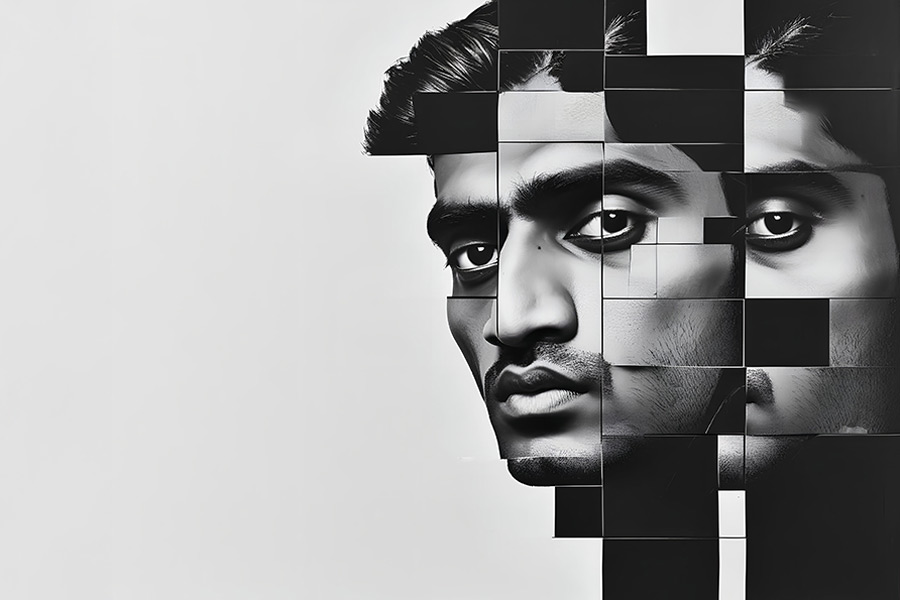
In an age where the fame of celebrities is powered by online fandoms, live-streaming, videos and other social media activities, the economic value and commercial potential of personal images, names, associations and other aspects of a celebrity’s persona have increased exponentially. With it comes the misuse of the “personality” by malicious individuals out for personal gain. In order to protect personality rights and restrain offenders, the courts in several countries including India have taken concrete measures.
Recently, actor Anil Kapoor was recognised as one of Time magazine’s “100 Most Influential People in AI 2024”. The magazine notes his significant victory before Delhi High Court, which restrained 16 defendants from using inter alia his voice, likeness, image or any other aspect of his persona for monetary gain and otherwise. So, what “influence” has been caused by Kapoor’s case to merit the bestowal of this prestigious honour by Time? What repercussions does this decision have on the IP regime in India? Is the concept of personality rights inextricably linked with the right to privacy?
Commercialisation
David Ogilvy, one of the founders of renowned ad agency Ogilvy & Mather famously quipped: “If you do not have a strong idea for your advertising campaign, then the easy way out is using a celebrity.” Companies’ focus on brand management has been accompanied by a rise in celebrity endorsements, the brands gaining attention and the celebrity monetarily compensated in return.
Although celebrities are able to use their images and fame for monetary gain, this fame may also be used for nefarious means, such as when a likeness of Amitabh Bachchan’s voice was used to scam people by tying him to the popular TV show Kaun Banega Crorepati (the Indian version of Who Wants to be a Millionaire). So, how does a celebrity protect against such unauthorised use of his/her image, fame, voice and likeness?
Right to publicity
Athletes and other celebrities can now make a fortune endorsing products and services. But the unauthorised use of these personalities by individuals for illegitimate commercial gains has led to courts often being called on to interpret and protect the rights of publicity, or personality rights, of these celebrities.
The right of publicity grew out of the right of privacy and is an intellectual property right of an individual that protects the pecuniary right and interest in the commercial exploitation of their identity. In contrast, the right of privacy is a personal right ensuring one’s right to be left alone.
You must be a
subscribersubscribersubscribersubscriber
to read this content, please
subscribesubscribesubscribesubscribe
today.
For group subscribers, please click here to access.
Interested in group subscription? Please contact us.
你需要登录去解锁本文内容。欢迎注册账号。如果想阅读月刊所有文章,欢迎成为我们的订阅会员成为我们的订阅会员。