







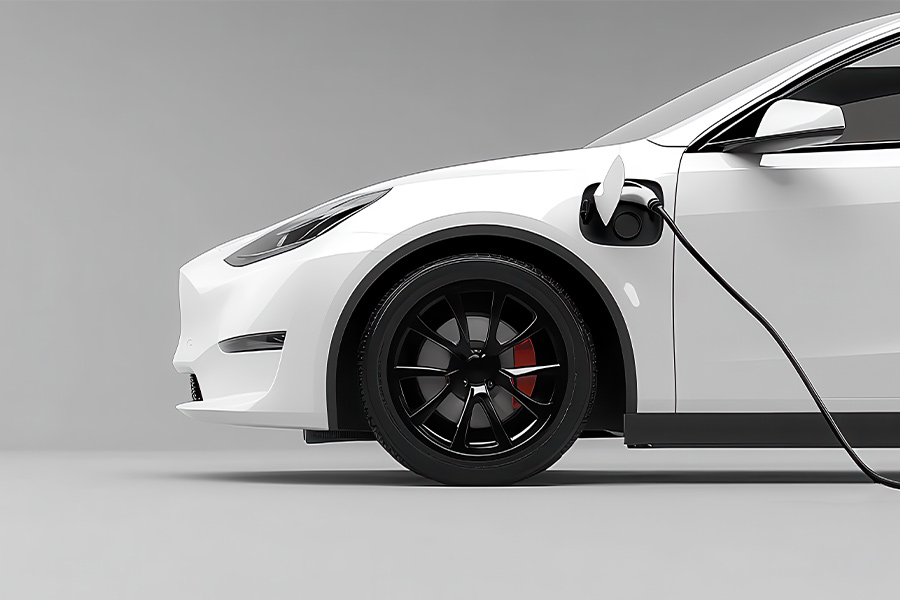


Energy counsel Pooja Gupta discusses the steps needed to set up charging stations and the issues related to them that, if addressed, can shift the adoption of electric vehicles into high gear
The successful penetration of electric vehicles (EVs) in India, with its vast demographics, relies on a widespread network of charging infrastructure. Transition from the internal combustion engine to EVs is often faced with roadblocks as users cite “range anxiety”, i.e. their vehicle may run out of charge while traversing distances.
Recognising this, and with an aim to bolster a robust charging network within the country, the government has formulated guidelines for installation and operation of charging infrastructure, and undertaken policy initiatives to make charging accessible for all. This article analyses the legal and regulatory regime for setting up EV charging stations in India, particularly urban areas, along with the key challenges and recommendations for streamlining the process for accelerating EV adoption.
Regulatory framework
The Ministry of Power issued the Guidelines for Installation and Operation of Electric Vehicles Charging Infrastructure – 2024 (EV guidelines), which provide a comprehensive framework for setting up EV charging stations in India. The EV guidelines, in superseding those issued in 2022 and 2018 on the same subject, are applicable to manufacturers, owners and charge point operators (CPOs), as well as power utilities and central and state agencies.
You must be a
subscribersubscribersubscribersubscriber
to read this content, please
subscribesubscribesubscribesubscribe
today.
For group subscribers, please click here to access.
Interested in group subscription? Please contact us.
你需要登录去解锁本文内容。欢迎注册账号。如果想阅读月刊所有文章,欢迎成为我们的订阅会员成为我们的订阅会员。