





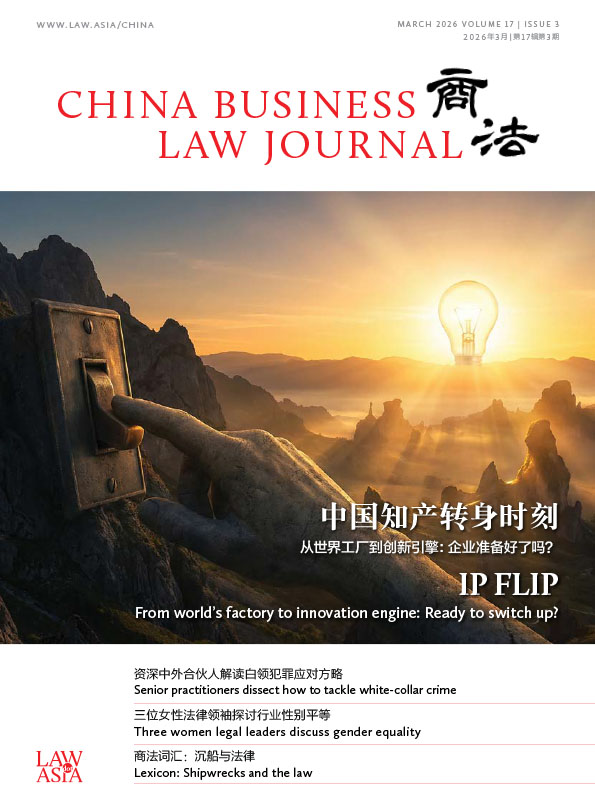





Time management is a perennial topic, particularly in the legal sector. How do top lawyers harness time efficiently, turning minutes into milestones? Claire Zhao reports
Time measures not just labour but professional substance. In the accelerated rhythm of contemporary practice, effective time management is far more than just a competency. It is an integral element of any serious career, equally vital for weathering intense workloads and unlocking strategic growth.
Nowhere is this truer than in the legal practice, where cerebral and physical challenges compound time’s criticality. How, then, do elite lawyers optimise their limited daily capacity? What distinguishes their scheduling patterns? Are there any transferrable efficiency techniques?
A survey into the winners of China Business Law Journal’s A-List 2024 to 2025 dissects these questions, delivering timely benchmarks for the digital era.
Early birds
The survey revealed an unexpected consensus around early rising. An overwhelming majority of awarded lawyers start their days before 7am, with workout sessions like running and meditation featuring in more than half of morning routines.
Lin Fuzhi, a director at AllBright Law Offices, maintains a strict 6:40am wake-up for his 20km lakeside run, valuing the fresh air and natural scenery as ideal preparation for the working day.
Lyon Dong, an equity partner at Grandall Law Firm, says: “Morning exercise doesn’t just wake me up – it significantly enhances my focus and productivity.
“During workouts, I often gain new perspectives on business issues. This dual activation of mind and body fosters more creative problem solving.”
Beyond the immediate rewards of scenic beauty and mental refreshment, early rising necessitates rigorous self-discipline. For Ji Jun, a partner at Anli Partners, his enduring meditation practice stems from the philosophy of “daily self-renewal”, which requires daily progress.
In this regard, A-List lawyers typify endorphin-fuelled perseverance, battling inertia through combined physical and cognitive effort to achieve inner calm, and establishing more enduring fulfillment mechanisms.
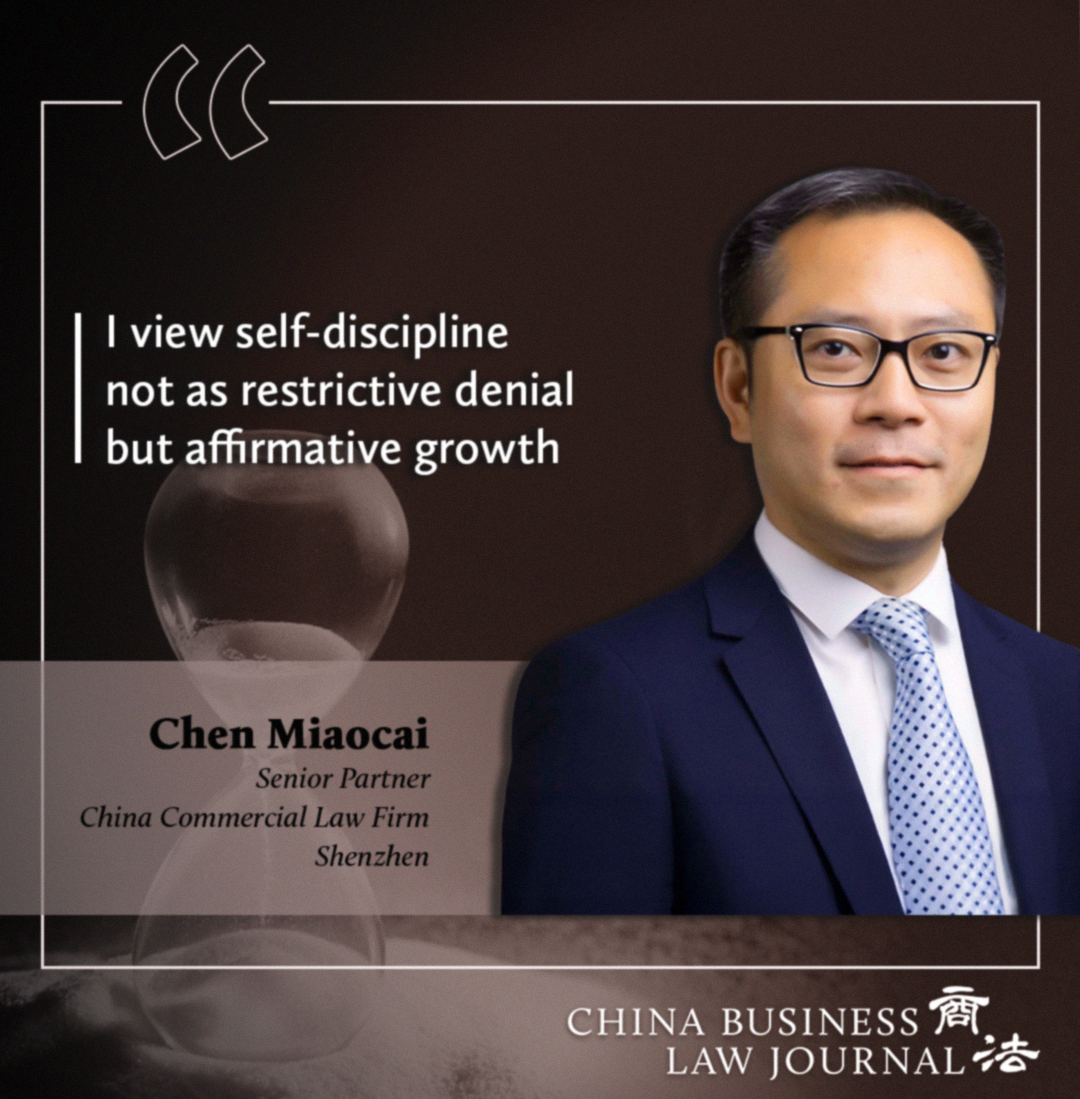
“True discipline extends beyond morning workouts to one’s professional ethos,” notes Chen Miaocai, a senior partner at China Commercial Law Firm, who exercises at least three mornings weekly. “I view self-discipline not as restrictive denial, but affirmative growth.”
Beyond health benefits, morning hours with minimal distraction offer a precious window for deep work. Grandwin Law Firm’s managing partner, Guan Jian, structures his early starts specifically to dedicate this “golden period” to either intensive reflection or his most complex casework.
Similarly, Johnson Stokes & Master’s partner Jasmine Chiu strategically reserves mornings – when cognitive sharpness peaks – for her most intellectually taxing matters.
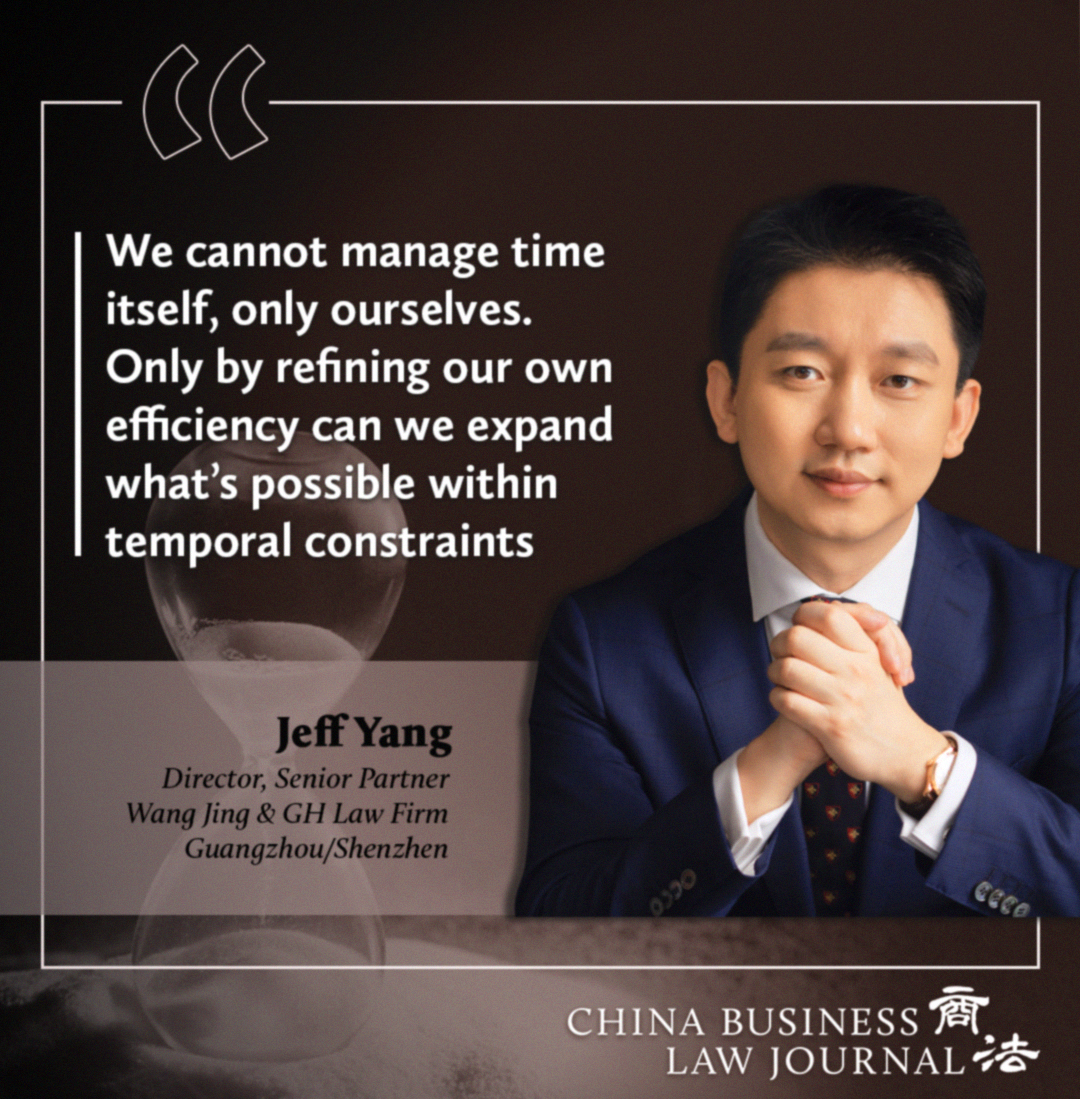
As Jeff Yang, a director and senior partner at Wang Jing & GH Law Firm, puts it: “We cannot manage time itself, only ourselves. Only by refining our own efficiency can we expand what’s possible within temporal constraints.”
Curiously, a divergence emerges between the award categories under the A-List: morning exercisers and early workers are evenly matched among the Growth Drivers, while the Visionaries opt for workouts over work by a factor of two to one, possibly a subtle indicator of how professional focus evolves with career progression.
Monkeys on backs
Seasoned lawyers must balance multifaceted responsibilities, from case representation to client management and business development, alongside firm administration and often public service commitments. Given these competing demands, pursuing perfection across all fronts is unrealistic. Top legal professionals distinguish themselves through strategic prioritisation.
The art lies in precise workload calibration. “Effective time management means focusing relentlessly on high-impact tasks while minimising distractions,” says Fu Changyu, a partner at Zhong Lun Law Firm. “Legal work demands exceptional focus and diligence. Only by channelling efforts into core matters can true efficiency be achieved.”
Echoing this, Lu Jingbo, the founder and president of River Delta Law Firm, advocates a culture of collaboration and delegation. “Only handle what strictly requires your direct involvement and assign the rest to competent and reliable team members.”
JunHe’s partner, Chen Wei, also finds collaborative delegation a smart way for her to focus on high-value and strategic activities. “Recognising that I can’t accomplish everything alone, I delegate tasks whenever appropriate,” she says, “Collaboration with colleagues and leveraging their expertise also helps in sharing the workload and achieving collective goals more efficiently,”
Gary Gao, an equity partner at Zhong Lun, has developed a management system that emphasises delegation, yet is fortified by supervision and training, ensuring that tasks and instructions are executed with precision.
Modern technology also offers powerful solutions for reducing workloads, from time-tracking apps to project management software and AI assistants. As noted by Vincent Sun, a partner at Han Kun Law Offices, tech tools efficiently handle repetitive tasks like diary management, document organisation and initial case assessment, creating capacity for more sophisticated legal analysis and strategic considerations.
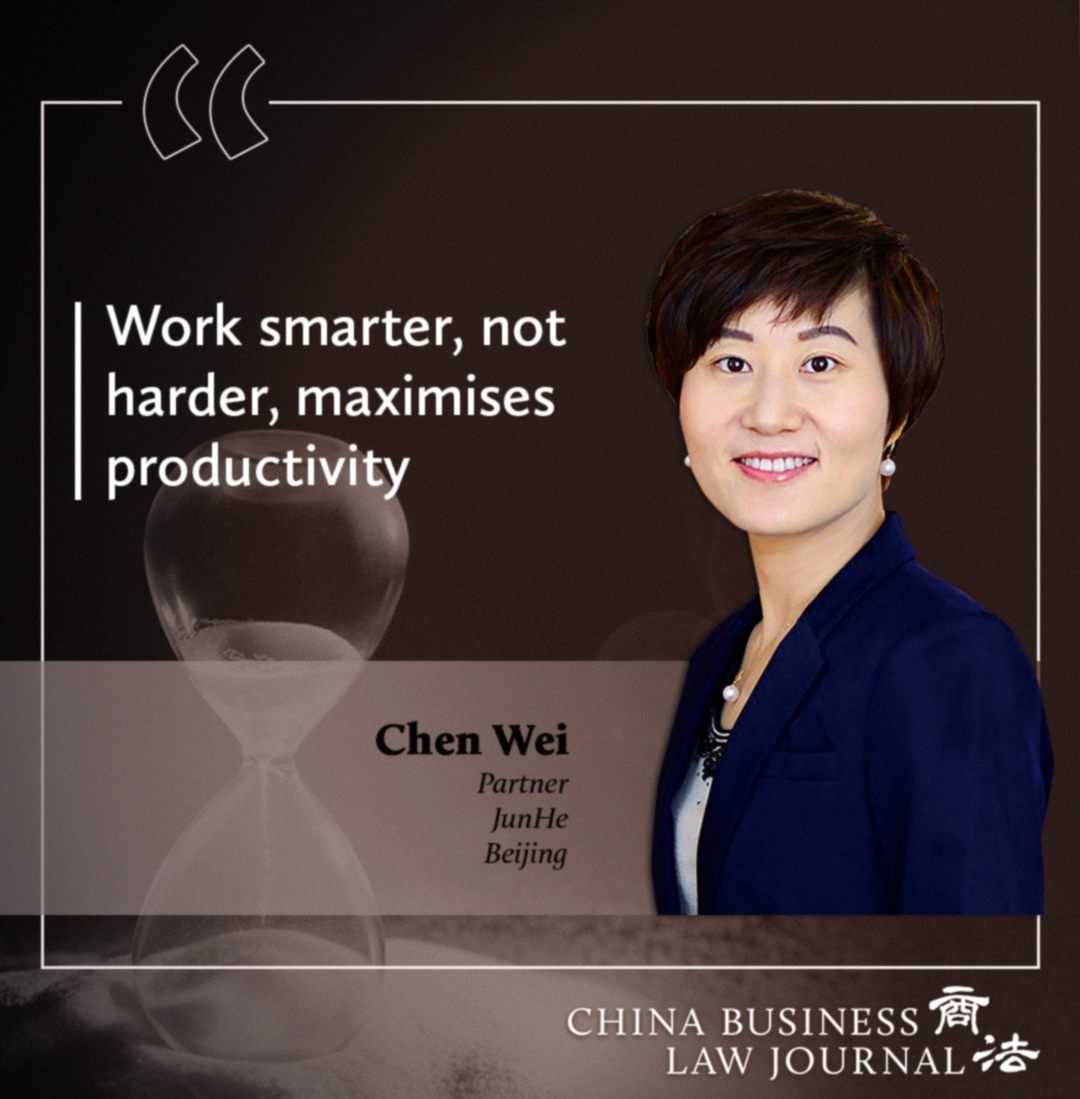
Chen agrees that embracing new tools and technologies helps streamline workflows and optimise time management. “Work smarter, not harder, maximises productivity,” she says.
Beyond leveraging teams and tools, Sun stresses that effective time management requires learning to “let go”.
“This means identifying and declining cases that lack economic, educational or reputational value,” he says. “Walking away isn’t failure – it’s strategic resource allocation, ensuring time and expertise are deployed where they matter most.”
Deng Zhe, a senior partner at Guantao Law Firm, takes it further: “Stop doing what you enjoy.” He references Warren Buffett’s 5/25 strategy – write down 25 personal goals, circle the top five, then ruthlessly ignore the rest.
Why? Because enjoyable tasks often distract from true ambitions – it is all too easy to become absorbed in them while neglecting more critical objectives. “Ditch the likeable to pursue the lovable,” says Deng. As the famous Buffett saying goes: “The difference between successful people and really successful people is that really successful people say no to almost everything.”
You must be a
subscribersubscribersubscribersubscriber
to read this content, please
subscribesubscribesubscribesubscribe
today.
For group subscribers, please click here to access.
Interested in group subscription? Please contact us.
你需要登录去解锁本文内容。欢迎注册账号。如果想阅读月刊所有文章,欢迎成为我们的订阅会员成为我们的订阅会员。